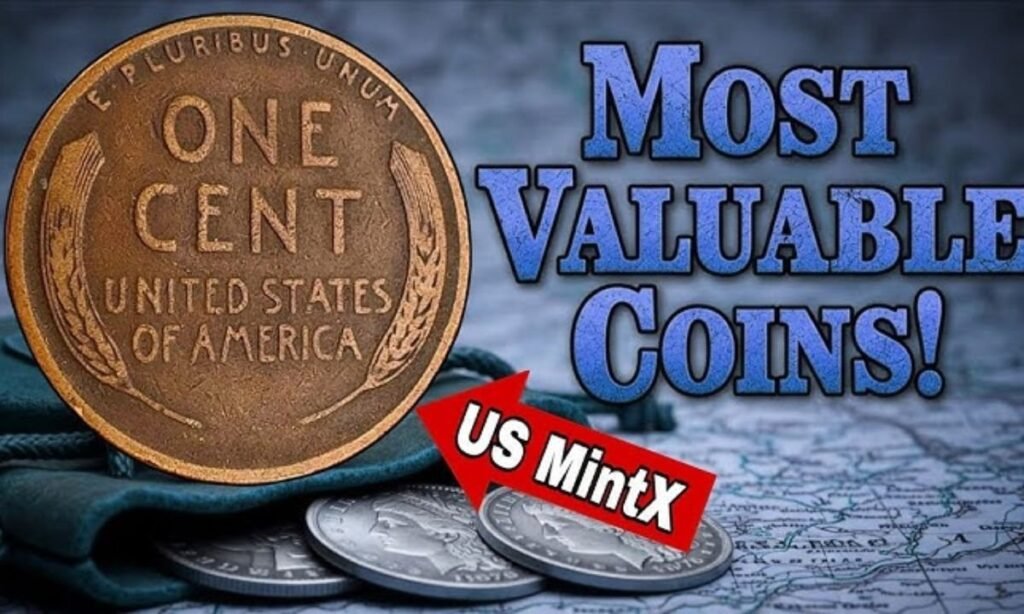
Old pennies often get overlooked in change jars or forgotten drawers, but some Lincoln wheat pennies those classic one-cent coins minted from 1909 to 1958 with wheat stalks on the reverse are true hidden treasures. These rare varieties and errors have fetched astonishing prices at auctions, turning ordinary-looking coins into life-changing finds for lucky owners. Here are four of the most sought-after examples that stand out for their scarcity and sky-high values.
The Legendary 1943 Bronze Penny Mistake
During World War II, the U.S. Mint switched to zinc-coated steel planchets for pennies to save copper for the war effort, so all 1943 wheat pennies were supposed to be steel. A tiny number were accidentally struck on leftover bronze planchets, creating one of the greatest rarities in American coinage. These bronze 1943 pennies look just like regular copper cents from other years, but their wartime origin and extreme scarcity make them extraordinary.
Collectors prize them highly because so few exist—estimates suggest only a handful from each mint location survived. Depending on condition and which mint produced them (Philadelphia, Denver, or San Francisco), these error coins have sold for hundreds of thousands, with top examples reaching well into the million-dollar range. Finding one in pocket change would be like winning the lottery.
The Famous 1955 Doubled Die Obverse
In 1955, a dramatic minting error occurred at the Philadelphia Mint when a die shifted during production, causing noticeable doubling on the date, “LIBERTY,” and the motto “IN GOD WE TRUST.” The mistake was so obvious that workers noticed it quickly, but thousands of these coins still entered circulation before the faulty die was pulled.
This variety remains one of the most recognizable errors in numismatics because the doubling jumps out even to beginners with a quick glance. Values start in the low thousands for worn examples and climb much higher for pristine ones in top grades. Its popularity among collectors keeps demand strong, making it a staple in high-end collections.
The Iconic 1909-S VDB
The very first Lincoln wheat pennies in 1909 featured the designer’s initials, VDB (for Victor David Brenner), on the reverse. Public complaints about the prominent initials led the Mint to remove them quickly, but not before a small batch was struck at the San Francisco Mint. That limited run of 1909-S VDB pennies became an instant collector favorite.
With one of the lowest mintages in the series, this coin is considered a “key date” that every serious Lincoln cent collector wants. Even in average circulated condition, it commands strong prices, while gem-quality examples can reach impressive sums. Its historical significance as the first year of the series adds extra appeal.
The Scarce 1914-D Key Date
Low production numbers at the Denver Mint in 1914 created another classic rarity among non-error wheat pennies. The 1914-D stands out as one of the toughest dates to find in higher grades, especially since many were heavily circulated during tough economic times.
Collectors seek this one for its straightforward scarcity rather than any flashy error. In fine or better condition, it holds significant value, and fully red, mint-state pieces are particularly prized. It’s a reminder that sometimes rarity alone, without mistakes, can drive a coin’s worth into the thousands or more.
These four wheat pennies highlight how small errors in production or limited mintages can transform everyday coins into valuable assets. While most wheat pennies are worth only a few cents, hunting for these rarities keeps the hobby exciting.
- The 1943 bronze errors are so few that experts track nearly every known example.
- The 1955 doubled die stands out for its bold, easy-to-spot doubling without magnification.
- The 1909-S VDB gained fame almost immediately after release due to the brief use of the initials.
- The 1914-D remains a benchmark for key dates in the wheat series, with steady demand over decades.
Whether you’re digging through old jars or starting a collection, keep an eye out for these gems. A single rare wheat penny could be worth far more than you imagine, turning loose change into serious money. Always handle potential finds carefully and consider professional grading to unlock their full potential.
FAQs
What makes a wheat penny valuable?
Rarity from low mintage, minting errors, or historical significance drives value, especially in excellent condition.
How can I tell if I have a 1943 copper penny?
A real 1943 bronze penny won’t stick to a magnet (unlike steel ones) and shows normal copper coloring instead of silver-gray.
Is the 1955 doubled die obvious?
Yes, the doubling on the date and lettering is dramatic and visible to the naked eye—no loupe needed.
Why is the 1909-S VDB so famous?
It was the first Lincoln cent with the designer’s initials, removed soon after due to controversy, making the San Francisco version extremely limited.
Should I clean old wheat pennies?
Never clean them—cleaning often reduces value significantly. Leave them as found and seek expert advice if they appear rare.